
The Psychology of Impulse Buying in Home Decor and Making Intentional Choices
Buying items for your home can feel exciting and rewarding. Yet, many people find themselves purchasing decor without a clear purpose or understanding of how it fits into their space. This often leads to cluttered, uncohesive rooms that don’t reflect their style or needs. Understanding why we make these impulse purchases and how to shop more intentionally can transform your home into a place that truly feels like yours.
Why People Impulsively Buy Home Decor
Impulse buying happens when we purchase items spontaneously, without planning or much thought. In home decor, several psychological factors drive this behavior:
Emotional satisfaction: Buying something new can trigger a quick boost of happiness or comfort. A pretty vase or a trendy pillow might feel like a small reward after a long day.
Desire for change: People often want to refresh their environment to feel renewed or inspired. When a new trend or item promises to brighten a room, it can be tempting to buy immediately.
Fear of missing out: Limited-time sales or popular styles create urgency. Shoppers worry they might miss the chance to own something unique or fashionable.
Identity expression: Home decor is a way to express personality. Sometimes, people buy items that reflect an ideal version of themselves rather than their actual taste or lifestyle.
Social influence: Seeing friends or influencers with stylish homes can push people to buy similar items to fit in or impress others.
These reasons show that impulse buying is often about emotions and social factors rather than practical needs or design sense.
How Social Media and Trends Shape Buying Habits
Platforms like Instagram, Pinterest, and TikTok flood users with images of beautiful interiors and the latest decor trends. This constant exposure affects consumer behavior in several ways:
Instant inspiration: Scrolling through curated feeds makes it easy to spot new styles and products that look appealing.
Trend cycles: Social media accelerates trends, encouraging people to update their homes frequently to stay current.
Comparison pressure: Seeing others’ homes can create a sense of inadequacy, pushing people to buy items to “keep up.”
Visual overload: The sheer volume of ideas can overwhelm, making it harder to decide what fits your space and taste.
While social media can inspire creativity, it also encourages quick, emotion-driven purchases that may not suit your home long-term.
How Lack of Design Knowledge Leads to Uncohesive Spaces
Without a basic understanding of design principles, it’s easy to buy items that clash or don’t serve a purpose. Common pitfalls include:
Mismatched styles: Combining too many different styles or colors can make a room feel chaotic rather than harmonious.
Ignoring scale and proportion: Buying furniture or decor that is too large or too small for the space disrupts balance and flow.
Overcrowding: Filling every surface with items creates clutter and reduces functionality.
Neglecting function: Choosing pieces based solely on looks without considering how they fit your lifestyle leads to frustration.
For example, someone might buy a trendy oversized floor lamp without measuring the room, only to find it blocks pathways or overwhelms the space. These mistakes happen because design knowledge is often overlooked in favor of impulse or trend-driven buying.
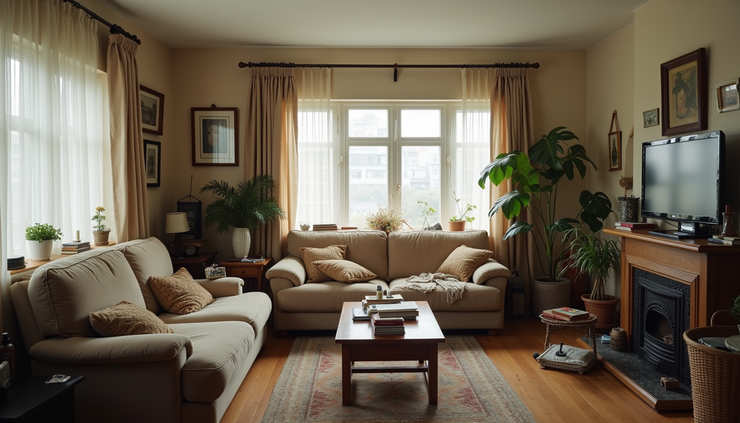
Tips for Making Intentional Purchases That Enhance Your Home
To avoid impulse buying and create a cohesive, functional home, try these practical strategies:
Define your style: Spend time identifying what styles, colors, and textures you truly like. Use mood boards or save images that reflect your vision.
Assess your needs: Consider how you use each room and what items will improve comfort and function.
Set a budget and list: Plan purchases around a budget and a list of needed items rather than buying on a whim.
Measure your space: Always measure rooms and furniture before buying to ensure proper fit.
Choose quality over quantity: Invest in fewer, well-made pieces that will last and look good together.
Limit trend items: Use trendy decor sparingly as accents rather than the main focus.
Pause before buying: Wait 24-48 hours before purchasing to decide if the item fits your plan and space.
Seek advice: Consult design books, blogs, or professionals to learn basic principles and get feedback.
For example, if you want a new rug, measure your living room first, choose a color that complements your existing furniture, and pick a durable material that suits your lifestyle. This approach prevents random buys that don’t work.
Reflecting on Your Buying Habits and Embracing Practical Design
Take a moment to think about your recent home decor purchases. Did you buy items because they truly fit your space and style, or were they driven by impulse or trends? Reflecting on your habits can help you become a more mindful shopper.
Remember, your home should feel comfortable and reflect who you are. Intentional buying based on practical design principles leads to spaces that are both beautiful and functional. By slowing down, planning, and learning a bit about design, you can avoid clutter and create a home you love.
Comments